
Maintaining Your Stormwater System: What Councils & Property Owners Should Know
Key Takeaways
- Understanding stormwater systems: Knowing how drainage components work helps councils and property owners plan maintenance effectively and prevent flooding or erosion.
- Importance of regular maintenance: Routine inspections and cleaning protect infrastructure, reduce repair costs, and keep systems compliant with local standards.
- Common performance issues: Sediment build-up, corrosion, or outdated designs can reduce system efficiency and increase the risk of failure.
- Effective maintenance practices: Regular checks, debris removal, and record-keeping help maintain performance and extend system lifespan.
- Value of quality materials: Using durable, non-corrosive GRC components reduces maintenance needs and ensures reliable, long-term performance.
A well-maintained stormwater system is essential for protecting properties, roads, and local waterways. Regular inspection and cleaning help prevent blockages, flooding, and long-term damage to surrounding infrastructure. For councils and property owners, understanding how these systems function is key to ensuring they continue performing effectively throughout changing weather conditions.
Proper care not only extends the lifespan of stormwater assets but also helps meet compliance and sustainability goals. This article will explore the fundamentals of stormwater maintenance, common issues that affect performance, and practical steps to ensure efficient, long-lasting systems that support Australia’s growing infrastructure needs.
Understanding Your Stormwater System
A stormwater system is designed to collect and manage rainwater runoff from roofs, roads, and paved areas, directing it safely away from developed land and into the drainage network. These systems help prevent flooding, erosion, and damage to public and private property during heavy rainfall.
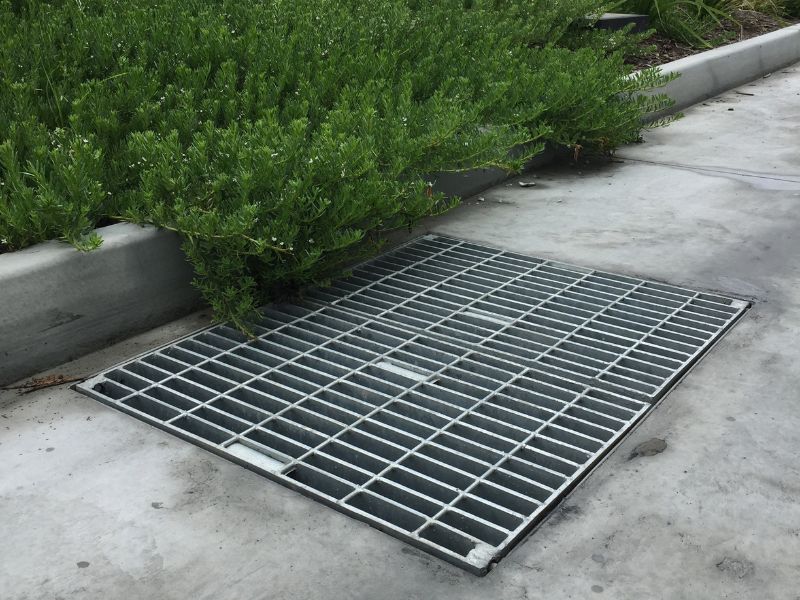
A typical network includes drainage pits, pipes, grates, and detention systems that work together to capture and control water flow. Each component must be correctly designed, installed, and maintained to perform effectively over time.
Understanding how these systems operate allows councils, engineers, and property owners to plan maintenance schedules more effectively, ensuring each part of the network continues to function efficiently and remains compliant with local and national standards.
For reliable components that simplify system design and maintenance, explore Mascot’s stormwater drainage solutions.
Why Regular Maintenance Protects Long-Term Performance
Ongoing maintenance is the simplest and most effective way to extend the lifespan of any stormwater system. Over time, sediment, debris, and surface wear can reduce capacity and compromise performance, even when the system is well designed. Regular inspections and cleaning help identify small issues before they develop into costly repairs.
For councils and property owners, establishing a structured maintenance schedule ensures drainage components remain clear, compliant, and safe. Investing in timely upkeep not only protects infrastructure but also supports environmental performance by preventing pollutants from entering waterways and maintaining reliable stormwater flow across all conditions.
For durable, low-maintenance components that simplify long-term care, explore Mascot’s stormwater management solutions.
Common Issues That Affect System Performance
Even a well-designed stormwater system can experience reduced efficiency over time if not properly maintained. Identifying early signs of deterioration or blockage helps prevent costly repairs and protects surrounding infrastructure from flooding or erosion.
The following issues are among the most common factors that affect system performance:
- Sediment build-up: Accumulated debris, silt, and leaves can block pits, pipes, and grates, restricting water flow.
- Structural damage: Cracked or misaligned components may reduce system capacity and increase the risk of collapse.
- Corrosion and material degradation: Prolonged exposure to moisture and chemicals weakens traditional concrete and steel elements.
- Insufficient capacity: Systems designed for older rainfall data may struggle to handle modern storm intensity.
Regular inspection and timely maintenance help address these challenges early, ensuring that stormwater systems continue to operate safely and efficiently.
To minimise corrosion and long-term damage, learn how Mascot’s Glass-Reinforced Concrete (GRC) components improve durability and performance.
Key Maintenance Practices for Councils and Property Owners
Proactive maintenance is crucial for maintaining stormwater systems’ effective operation and preventing costly repairs. Whether managed by local councils or individual property owners, regular inspections and cleaning ensure each component performs as intended, protecting both public and private assets.
The following maintenance practices can help maintain performance and extend the life of stormwater systems:
- Routine inspections: Schedule checks before and after heavy rainfall to identify blockages or damage early.
- Clearing debris: Remove leaves, litter, and sediment from grates and pits to maintain proper water flow.
- Checking drainage pits: Inspect drainage pits for structural integrity and ensure they remain free of obstruction.
- Monitoring erosion and runoff: Address surface wear or scouring caused by concentrated water flow.
- Maintaining accurate records: Keep logs of inspection dates, issues found, and maintenance actions to track performance and plan future work.
- Engaging professionals: Use qualified contractors for thorough system cleaning or repair when needed.
By following these steps, councils and property owners can enhance stormwater performance, lower maintenance costs, and ensure their systems remain compliant with local environmental and safety standards.
For durable, easy-to-maintain drainage components that support long-term performance, explore Mascot’s stormwater products.
The Role of Quality Materials in Long-Term Maintenance
The materials used in a stormwater system have a direct impact on its durability and maintenance needs. Choosing components that resist corrosion, chemical exposure, and physical wear can significantly reduce long-term repair costs and system downtime.
Traditional reinforced concrete is strong but can deteriorate over time in harsh or high-moisture environments. Glass-Reinforced Concrete (GRC) offers a lighter, non-corrosive alternative that simplifies installation while maintaining structural strength. Its durability and resistance to cracking make it ideal for use in pits, covers, and other drainage components.
Investing in high-quality materials ensures reliable performance, improved safety, and extended service life, helping councils and property owners maintain efficient, compliant stormwater systems for decades to come.
Final Advice: Keeping Systems Reliable for the Future
Stormwater systems are vital for protecting infrastructure and communities from flooding, erosion, and costly damage. Without proper maintenance, even well-designed systems can lose efficiency over time.
For councils and property owners, a proactive maintenance plan is essential. Regular inspections, cleaning pits and grates, and prompt repairs prevent minor issues from becoming major problems. Using durable, compliant materials also reduces upkeep and ensures reliable performance in all conditions.
At Mascot Engineering, we design and manufacture stormwater products that simplify maintenance and improve reliability. Our Australian-made solutions are built for strength, efficiency, and lasting performance, helping communities maintain safe and sustainable drainage networks.
For expert guidance or product specifications, contact Mascot Engineering to discuss solutions tailored to your project.