
Airports and Ports
The first official flight from the original Sydney International Airport (anecdotally known as Mascot Airport) was in January 1920. In March of 1920 just a few blocks from the airport, Mascot Engineering was founded as an iron foundry. Since then, we have been supplying airports and ports along with their surrounding infrastructure with pits, covers, grating and trade waste products for various upgrades, extensions, and improvements.
Airports and Ports require products that are specifically designed, engineered, and manufactured to suit an environment subject to extremely heavy traffic loads. Our experience spans over 100 years and Mascot are the experts in the manufacture and supply of in ground products designed to provide a compliant and trusted solution to major projects such as airports, ports and defence projects.
The technical team at Mascot Engineering regularly design custom solutions to meet the specific needs of various projects across Australia and the world. If your application requires a custom designed product, our experienced team are on hand to work with you to provide the right solution that’s compliant and built to last.
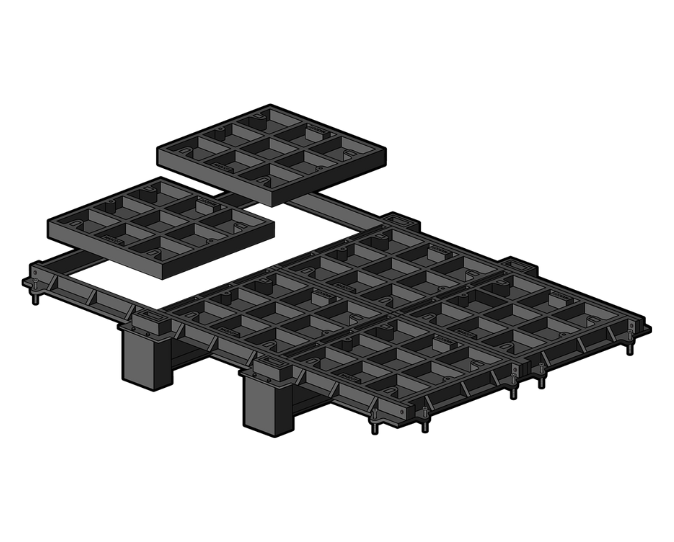
Our multipart gas and air-tight inspection covers are locally manufactured to meet rigorous safety standards, ensuring critical utilities remain protected even under extreme axial loads. Backed by over a century of experience supplying Australia’s major ports, we deliver durability that exceeds the lifecycle demands of maritime and aviation infrastructure. With in-house manufacturing capabilities for Class D, Class E and Class G access covers, we are one of Australia’s most experienced manufacturers in the industry.
Mascot’s range of products meet all relevant Australian Standards and are approved by relevant authorities for use Australia wide.
Some of the airports and ports we’ve supplied
Western Sydney Airport, NSW
Rex Hanger, Sydney Airport, NSW
Newcastle Airport, NSW
Port of Brisbane, QLD
Melbourne Airport Joint User Hydrant Installation (JUHI), VIC
Mackay Airport, QLD
Sydney Airport Apron Upgrade, NSW
Port Botany Container Terminals, NSW
Kooragang Island Newcastle – Port Upgrade, NSW
Sydney Airport – Qantas Hanger Upgrade, NSW
NCIG Newcastle (port of Newcastle Upgrade), NSW
Sydney Freight Terminal, NSW
Bankstown Airport, NSW
Western Sydney Airport Fuel Farm, NSW
Melbourne Airport Fire Brigade Training Centre, VIC
Ballarat Airport, VIC
Avalon Airport, VIC
Melbourne Airport Air Services, VIC
Melbourne Airport T4 Car Park, VIC
Mackay Airport, QLD
Camden Airport, NSW
Echuca Airport, NSW
Gladstone Airport, QLD
Perth Airport, WA
Melbourne International Airport, VIC
Port Botany Terminal 3 Stage 1, NSW
Port Botany Patrick Terminal Upgrade, NSW
Sydney International Airport, NSW
Forrestfield Airport Link, WA
Rockhampton Airport, QLD
Bangalore International Airport, India
Delhi International Airport, India
Nadi Airport, Fiji
Mumbai International Airport, India
Hyderabad International Airport, India
Solomon Islands Port Authority, Solomon Islands
Christchurch International Airport, NZ
Changi East, Singapore
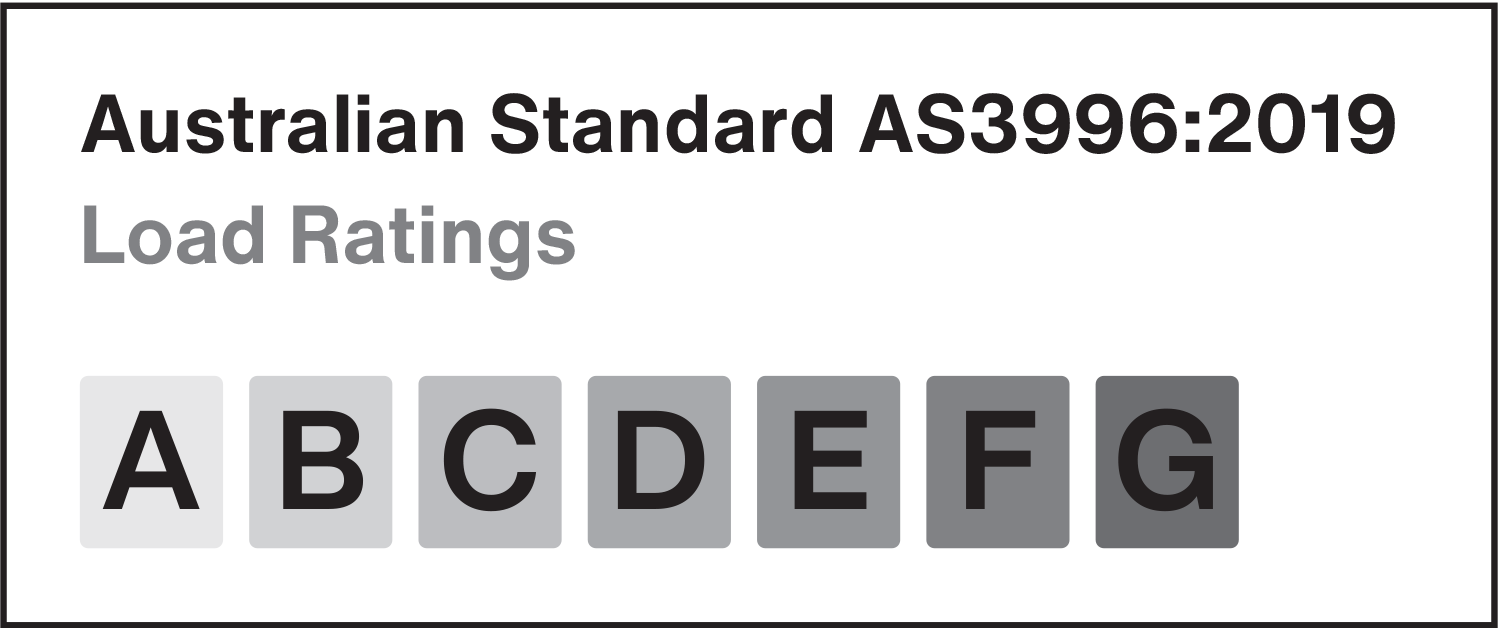
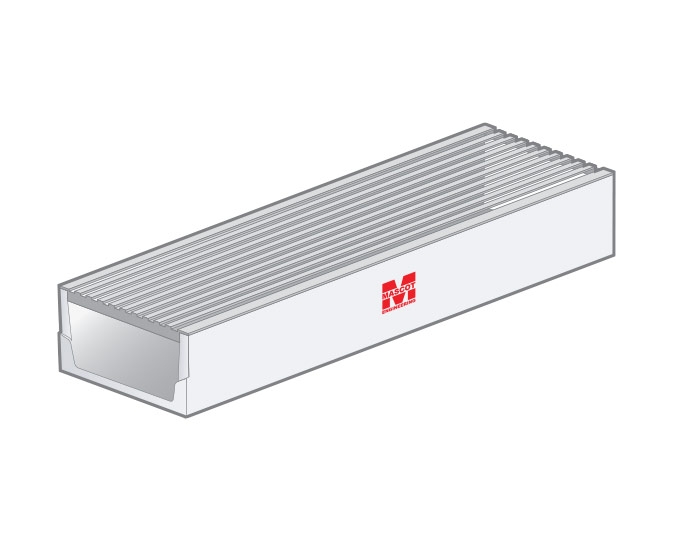
Mascot Engineering’s range of products are manufactured to comply with Australian Standards AS396:2019, and are available in Load Ratings A to G.
Airports and Ports Products
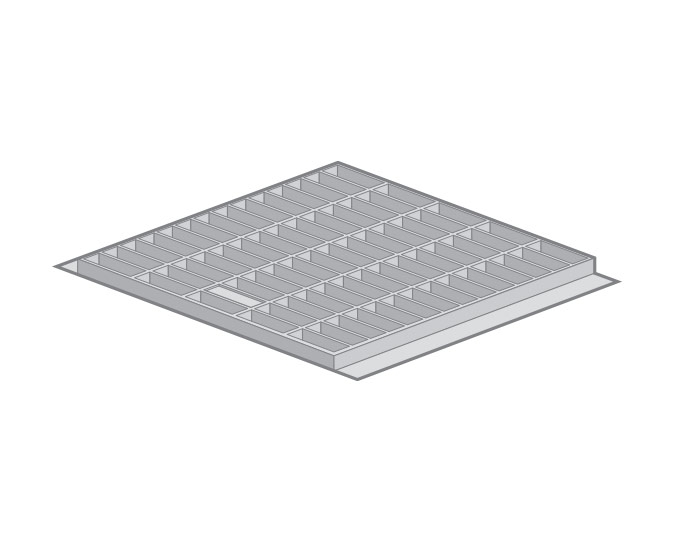
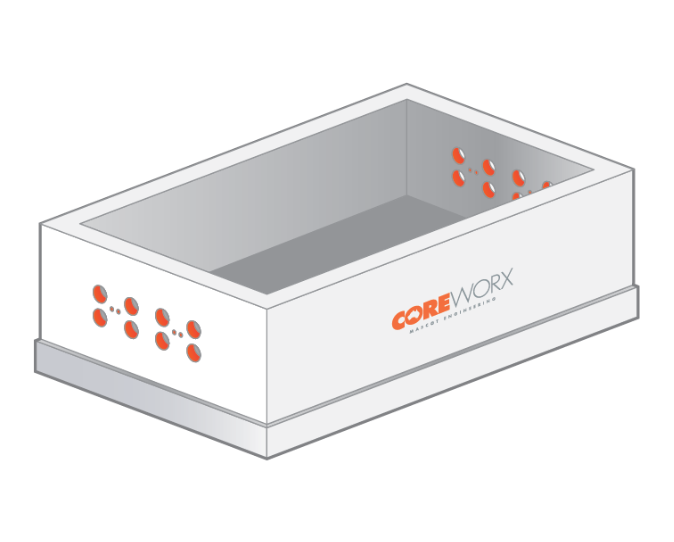
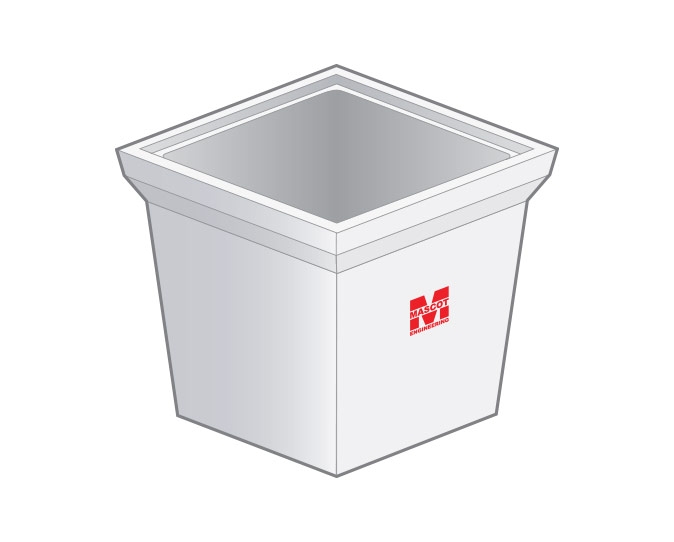
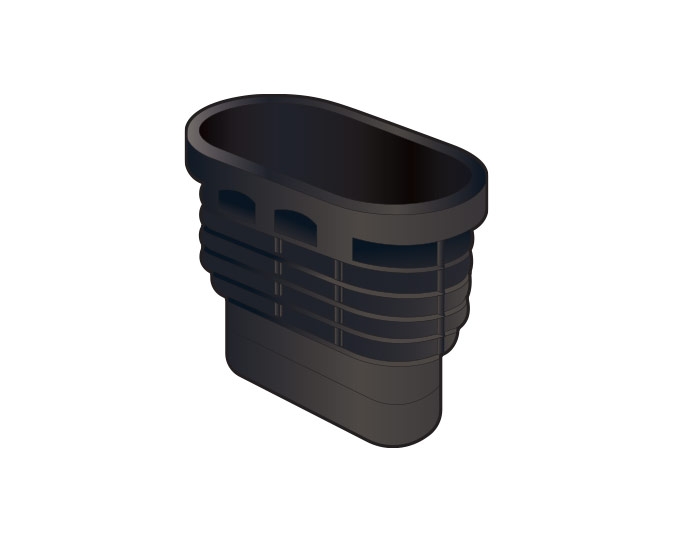
Case Studies

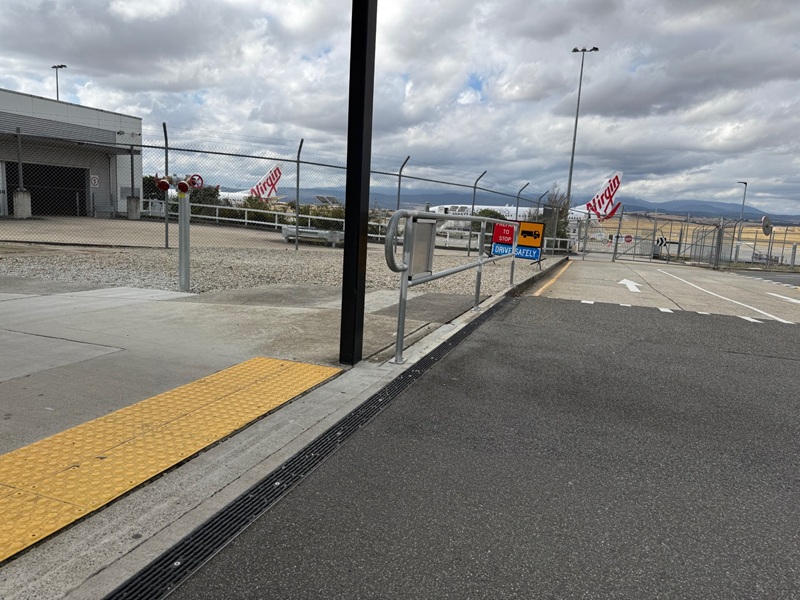
Launceston Airport
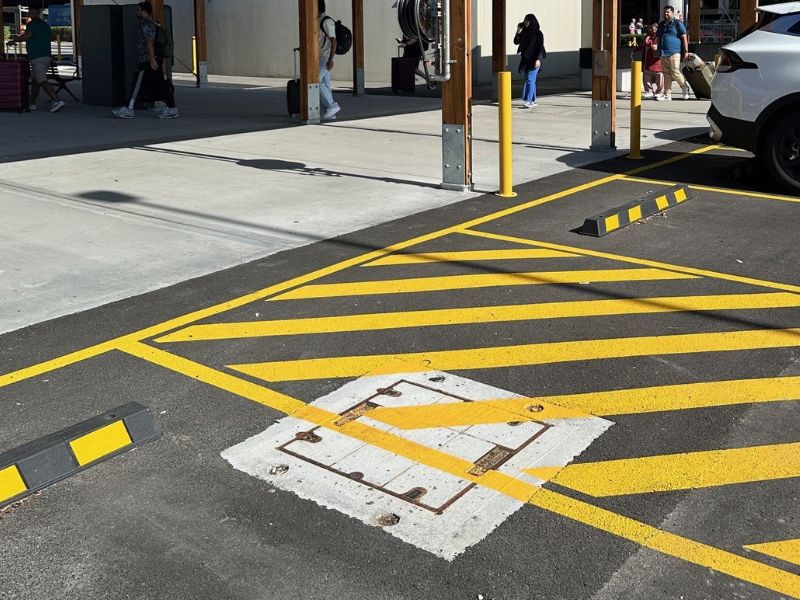
Sydney Airport Car Park
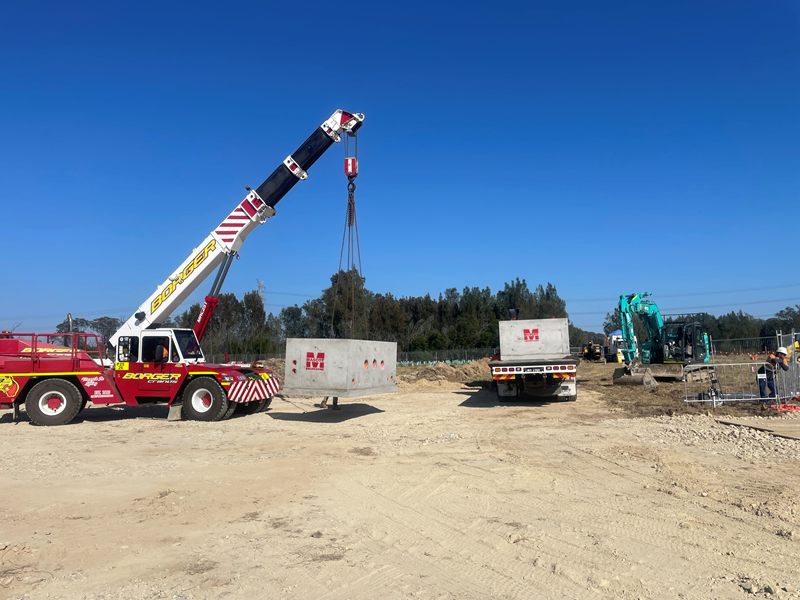
Western Sydney Aerotropolis Joint Bays
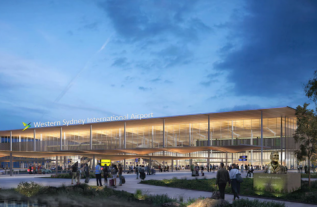
Western Sydney Airport
FAQs
Q1: What load class is required for airport taxiways and shipping terminals?
A: For areas subject to heavy aircraft traffic or container handling equipment (straddle carriers and reach stackers), Class G (900kN) is the standard under AS3996:2019. Mascot Engineering specialises in extra-heavy-duty Class G solutions, including multipart access covers and trench grates designed to withstand the high-intensity axial loads found in aviation and maritime pavements.
Q2: How do Mascot products handle exposure to jet fuel and harsh maritime salt spray?
A: Our products are engineered for chemical and corrosive resistance. Our Glass Reinforced Concrete (GRC) is naturally resistant to sulphate and chemical attack, making it ideal for fuel-line housing. For metal components, we offer ductile iron with specialized coatings, stainless steel, and hot-dipped galvanised options that provide long-term protection against the highly corrosive “salt spray” environments typical of coastal ports and wharves.
Q3: Can your access covers be made gas and air-tight for fuel valve pits?
A: Yes. We offer a range of gas and air-tight multipart infill covers specifically designed for fuel valve pits and sensitive utility enclosures. These systems use a precision-machined “grease seal” or mechanical gasket to ensure that hazardous fumes are contained and that water or debris cannot enter the pit, maintaining the integrity of the underground fuel infrastructure.
Q4: What are the benefits of using Multipart covers for large airport service pits?
A: Modern airports and ports require massive clear openings for the maintenance of large-scale utilities. Mascot’s multipart access cover systems utilise a system of removable beams and frames, allowing for virtually unlimited clear opening sizes. This modular design ensures that while the opening is large, individual cover sections remain manageable for maintenance crews using standard lifting keys.
Q5: How does GRC help reduce downtime during runway or terminal upgrades?
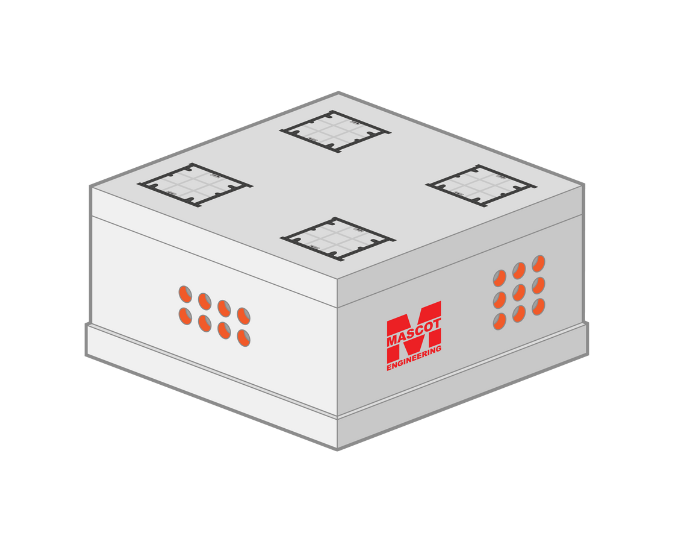
A: Speed of installation is critical in 24/7 airport environments. Because Mascot GRC pits are up to 80% lighter than traditional precast concrete, they can be installed manually or with light machinery, often without the need for large cranes. This allows for faster “trench and set” operations during short night-time maintenance windows, significantly reducing operational downtime for the facility.