
Channel Systems
Mascot Engineering is a leading manufacturer of grated trench drain systems for industrial, commercial and residential applications. Select the product below to find out more.
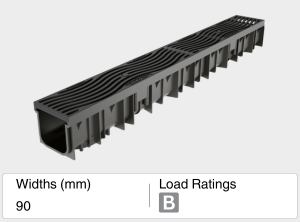
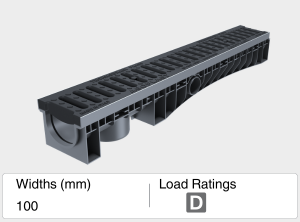
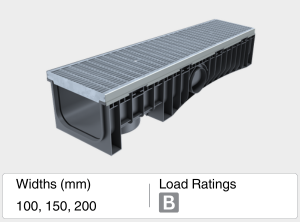
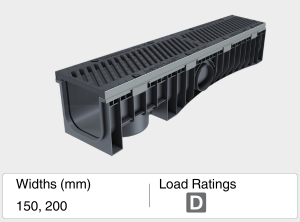
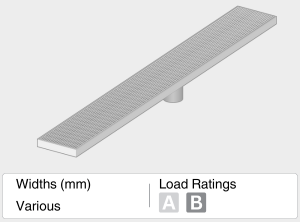
Channel Systems
Across Australia, roads, car parks, and public spaces rely on effective drainage to remain safe and operational. When runoff is not controlled, water ponds on pavements, damages finishes and creates slip hazards. Well-designed channel systems collect water along hardstand edges and direct it into the stormwater drainage network, helping maintain access and protect surrounding infrastructure.
Mascot Engineering manufactures glass reinforced concrete channel drain systems, complete with matching frames and grates, for use in civil, commercial, and industrial applications. Engineered for strength and long-term performance in Australian conditions, these channel systems form reliable trench drain systems that are straightforward to specify, install and maintain.
Understanding Channel Drainage Systems
Channel drainage systems are continuous shallow channels cast into pavements and hardstand areas to collect surface water. Runoff enters through surface grates, then flows along the channel to pits or outlets, where it is discharged into the broader stormwater drainage network. This approach helps control water along the full length of drive lanes, car park edges and building frontages, rather than relying on isolated point inlets.
In many civil and industrial projects, trench drain systems are chosen where water needs to be intercepted over a distance or where falls towards a single pit are difficult to achieve. Modular channels follow the site’s geometry and levels, providing a continuous collection line while keeping the surface safe for both vehicles and pedestrians. When correctly selected and installed, channel drainage systems provide predictable hydraulic performance and offer long-term protection for surrounding pavements and structures.
Types of Channel Systems and Configurations
Linear drainage channels
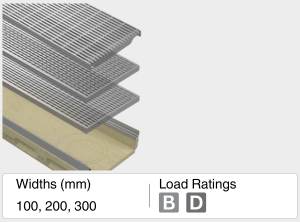
Linear channels provide a continuous collection line along pavements, car park edges and building frontages. Surface water enters through grates and flows along the channel to pits or outlets. These channel systems are suitable for sites where runoff follows clear pathways and a neat edge detail is required around hardstand areas and building thresholds.
Slots and discreet channel drains
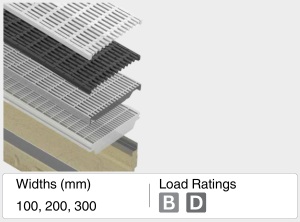
Slots and discreet drains are used where drainage is required but a low visual impact is preferred. Narrow surface openings feed underlying channel drain systems without exposing a full grate pattern. They are common in plazas, retail forecourts and landscaped pedestrian routes where a clean architectural finish and safe, dry surfaces are both important.
Trench drain systems
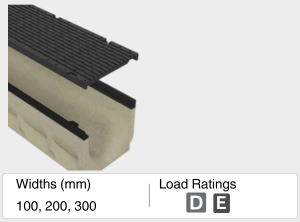
For high traffic or industrial sites, continuous trench drain systems combine robust channels with heavy-duty grates. They suit warehouses, fuel stations, loading docks and vehicle yards, handling repeated wheel loads and regular washdown while intercepting runoff along drive lanes and hardstand areas.
Integration with pits and access covers
Channel runs typically discharge into pits that connect to the wider stormwater drainage network. These pits, along with suitable drainage pit accessories and access covers, provide inspection points, junctions and outlets to downstream pipework. Coordinating channels, pits, and fittings creates comprehensive drainage layouts that efficiently collect and control surface water across the site.
Materials and Key Components
Materials
Mascot’s channel systems use materials chosen for strength, durability and consistent hydraulic performance in demanding Australian conditions. The main options include:
- HDPE: It’s smooth internal surface improves hydraulic efficiency. HDPE channels are lightweight and easy to handle. Its modular design makes for an easier installation.
- Concrete surrounds: structural encasement that locks channels into pavements and spreads wheel loads into the slab or road base in trafficable areas.
- Ductile iron grates: heavy-duty covers for roads, industrial yards and loading docks where high wheel loads and frequent vehicle movements are expected.
- Galvanised steel grates: a practical balance of strength, corrosion resistance and cost for commercial and light industrial projects.
- Stainless steel grates: clean, corrosion-resistant finishes for coastal environments, architectural entries and public plazas where appearance is a priority.
- Glass Reinforced Concrete channel: lighter GRC channel systems are easier to handle while maintaining structural performance and corrosion resistance.
These material choices allow designers to align each part of the system with traffic conditions, site environment and maintenance expectations.
Key Components
Each installation combines several coordinated components that operate together as a complete drainage solution. Typical elements include:
- Channel: modular sections that form the flow path for surface water, set to follow site falls and direct runoff towards collection points.
- Frames and seating: interfaces that support grates, transfer loads and help prevent rocking or movement under traffic, maintaining safe surface levels.
- Surface grates: removable covers that admit water, provide slip-resistant walking or driving surfaces and allow access for cleaning and inspection.
- Pits and sumps: collection points that receive flows from channel drain systems, providing volume for debris settlement and connection to downstream pipework.
- Drainage pit accessories include step irons, debris baskets, and other fittings that enhance access, safety, and maintenance within pits connected to channel systems and the broader stormwater drainage network.
Performance, Load Classes and Compliance
Mascot’s channel systems are engineered for reliable performance in civil, commercial and industrial environments. Channels and grates are designed and tested to AS3996 so specifiers can match the correct load class to each area of the site, from pedestrian paths through to heavy vehicle corridors and integrated trench drain systems.
Typical applications by load class include:
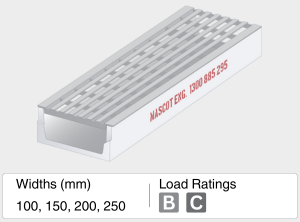
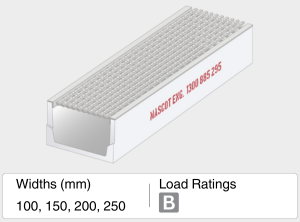
- Class B: light-duty zones such as footpaths, landscaped areas and residential driveways.
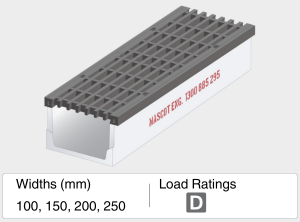
- Class D: heavy-duty areas including car parks, access roads and commercial forecourts.
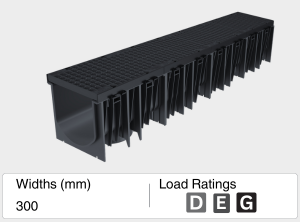
- Class E: extra heavy-duty locations like industrial yards, service stations and council infrastructure.
Manufacturing is carried out under ISO quality and environmental systems, with routine testing to confirm strength, durability and hydraulic performance in Australian conditions. When paired with compatible pits, access covers, and fittings, these channel drainage systems form compliant, long-lasting drainage layouts that support predictable maintenance and whole-of-life cost control.
Design and Application Guidance
When to use channel drainage systems
Channel drainage systems are most effective where water needs to be intercepted along an edge or over a distance, rather than at isolated points. They suit drive lanes, car park perimeters, forecourts, and building frontages where falls towards a single pit are difficult or where ponding regularly occurs. In industrial settings, continuous trench drain systems handle frequent washdown and heavy traffic along defined routes.
Sizing and hydraulic design basics
Correct sizing helps channel systems carry design flows without surcharge or overtopping. Channel width and depth should match expected runoff from contributing paved areas, while the system layout should follow site levels so water moves freely towards pits. Falls may be built into the pavement, the channel, or both, depending on the design approach. Engineers use hydraulic data and CAD details to confirm flow capacity, inlet efficiency at grates, and suitable pit spacing within the overall stormwater drainage network.
Coordinating channels, grates and pits
Good outcomes depend on aligning channel size, gratings and pits. Channels need sufficient capacity, while grates provide safe, slip-resistant surfaces and ready access for cleaning. Pits, including lighter GRC options, receive flows and connect to downstream pipes. Correctly selected drainage pit accessories help maintain access, safety and debris control within the system.
Applications across site types
Channel systems can be tailored to different project types, for example:
- Commercial centres: edge drainage to protect shopfronts and shared pavements.
- Car parks and access roads: continuous channels along kerbs or medians to manage surface runoff.
- Industrial yards: heavy-duty trench drain systems for washdown, fuel handling or loading areas.
- Public spaces: discreet channels that blend with paving while maintaining reliable stormwater drainage performance.
In each case, careful planning of channel systems supports safer surfaces, reduced maintenance, and dependable drainage throughout the project’s life.
Installation and Detailing Support
Well-detailed installation guides help channel systems perform as intended and minimise maintenance over the project’s life cycle. Mascot supports contractors and engineers with clear guidance and practical resources, including:
- Setting channels: preparing suitable bedding, positioning channel drain systems to grade and ensuring joints are formed and sealed correctly.
- Concrete works: installing appropriate edge restraints and surrounds so channels and grates remain stable under traffic and do not rock or move.
- Pit connections: linking channels to pits, outlets and drainage pit accessories so flows are captured, screened and directed into the wider stormwater drainage network.
- Handling and lifting: using GRC pits and lighter components where reduced weight helps speed installation and minimise reliance on heavy machinery.
- Technical documentation: providing CAD files, datasheets and typical detail drawings to support design reviews, approvals and on-site installation teams.
Together, these measures help deliver consistent outcomes and dependable drainage performance.
Why Choose Mascot Engineering for Channel Systems
Choosing the right supplier is just as important as selecting the right channel systems. With more than 100 years of local manufacturing experience, Mascot supports projects from small upgrades through to major infrastructure and integrated trench drain systems.
Here is why engineers, councils and contractors choose Mascot:
- Proven experience delivering channel drainage systems for civil, commercial and industrial projects.
- Coordinated solutions that combine channels, grates, pits, drainage pit accessories and access covers.
- Products designed and tested to AS3996, with manufacturing under ISO quality and environmental systems.
- Practical technical support for layout, detailing and connection to stormwater drainage networks.
From driveways to major infrastructure works, Mascot’s channel systems support durable performance and predictable budgeting across the life of the project.
FAQs
Q1. What is a channel drainage system?
A channel drainage system is a linear drain set into pavements that collects surface water through grates and carries it along modular channels to pits or outlets connected to the broader stormwater drainage network.
Q2. What is the difference between linear channels and point drains?
Linear channel systems collect water continuously along their length, while point drains collect water at a single low point that surrounding pavements fall toward.
Q3. What load class do I need for a driveway or car park?
For residential driveways, Class B channel drain systems may be suitable. For commercial car parks and access roads, Class D is typically selected to handle regular vehicle loads safely.
Q4. How are channel systems installed and connected to pits or mains?
Channels are set to grade on suitable bedding, encased or edged in concrete, then connected to drainage lines through outlets in the channel.
Q5. Can Channel Systems be supplied with GRC pits and drainage pit accessories?
Yes. Channel systems can be supplied with GRC pits, matching drainage pit accessories and suitable access covers, helping reduce handling weight while maintaining structural performance and safe access for inspection and maintenance.
Q6. Are these Channel Systems compatible with existing trench drain systems on site?
Often yes. Compatibility depends on dimensions, levels and load class, but many installations allow new channel systems or channel drain systems to connect to existing trench drain systems and downstream pipework.