
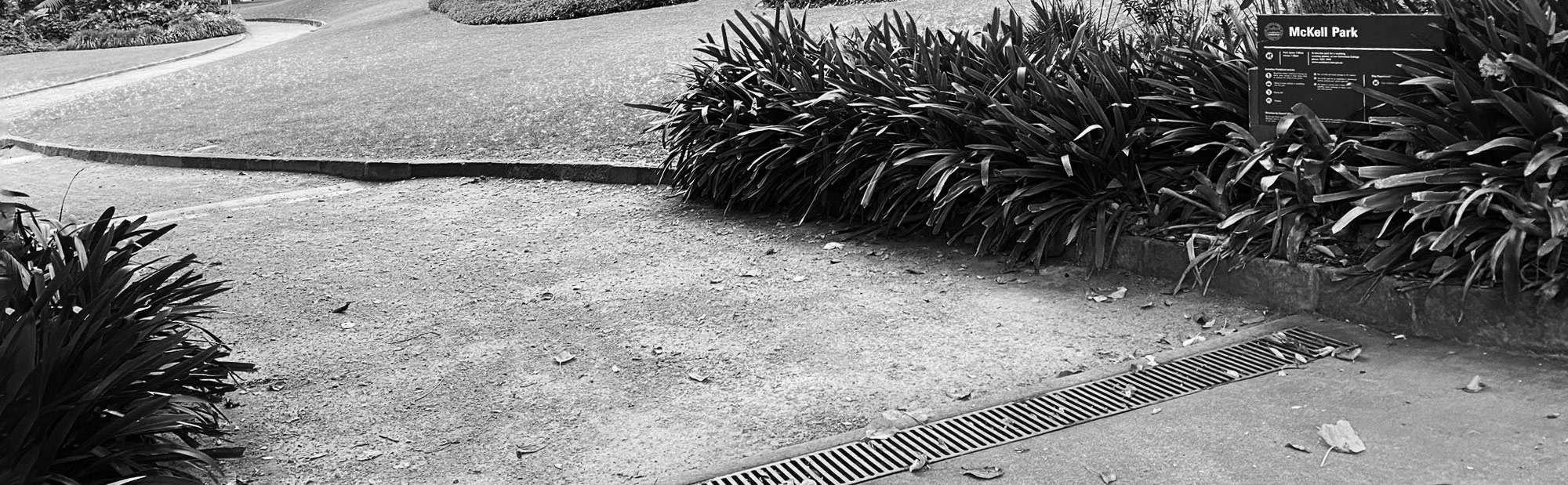
Grating
The Original. Mascot Engineering is one of the original manufacturers of iron grating in Australia. Our iron foundry opened in 1920 near Sydney Airport and original Mascot Engineering grates can be seen throughout Sydney’s streets.
Mascot Engineering manufacture and stock a large range of square and rectangular grates and frames as well as trench grating and kerb entry grating from Class A to Class G (AS3996) load rating requirements.
Mascot grates come in all shapes, sizes and materials. Traditionally, our grating has been made from cast iron (black), however galvanised mild steel (silver) has been the default choice for many years. We also offer stainless steel heelproof grating ideal for projects with a high volume of pedestrian traffic or when the details are important in a residential project.
Below you will find links to our range of grates, if you can’t find what you’re looking for we can custom make a product to suit your project.
Grating Products
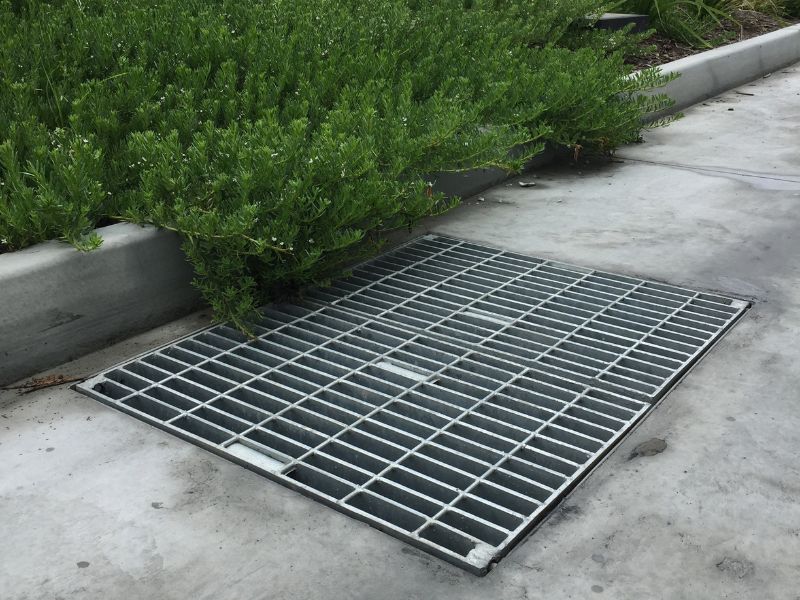
Security
Australian Standard lifting keys are needed to gain access to most covers, however all covers are available with a boltdown facility as well if required.
Concrete Encasement
All Mascot Engineering grates can be concrete encased to ease installation. The flexibility in our precast encasements allows us to design and produce a concrete surround to your site requirements. This option allows for simple and efficient installation on site.
Standards
Mascot Engineering’s cast and ductile iron products are manufactured in a foundry that is ISO9001 accredited and all covers go through a rigorous quality assurance program and manufactured to load ratings set out in Australian Standard 3996 (AS3996:2019).
In addition to quality, our foundry is also third party accredited to ISO 140001. This standard recognises the environmental management system that’s in place – protecting the environment whilst operating sustainably for future generations.
Grating
Across Australia, civil, commercial and industrial projects rely on effective drainage to keep roads and public spaces safe. Well-selected grates support trench drain systems and channel drainage systems, helping control runoff, protect underground services and maintain safe access in all weather.
Mascot Engineering supplies heavy-duty trench grating that works with channel systems, all approved and compliant with AS3996. With manufacturing experience and strict quality control, Mascot is a trusted supplier to councils, engineers and contractors across Australia.
Understanding Grating in Modern Infrastructure
Grating is a critical element in modern drainage design, helping manage surface water while keeping roads, car parks and public spaces safe to use. Well-selected grates and stormwater drain grates allow water to pass into subsurface drains, preventing pooling, reducing slip hazards and protecting surrounding pavements from erosion. By maintaining reliable inflow, they support predictable drainage performance in all weather conditions.
In urban environments, grating is commonly installed over pits, trenches and linear drains to control runoff from hardstand areas. It protects underground services from impact and debris while keeping openings clear for inspection and maintenance. The open profile of the grate allows water to enter the system efficiently, while slip-resistant patterns and heel-proof designs support user safety on the surface.
Grating also plays a structural role within channel systems and works alongside drainage pits and accessories, helping distribute loads, maintain surface continuity and support long-term durability across busy civil and commercial sites.
Range of Grating Systems
Cast and ductile iron grates
Cast and ductile iron units are selected where high strength and long service life are essential. These cast iron grates provide reliable support in trafficable areas such as roads, loading zones and industrial driveways, where wheel loads and impact are frequent. Their rigid structure resists deformation while patterned openings maintain drainage capacity and safe access. This makes them well-suited to heavy civil works and continuous trench layouts that require consistent surface performance.
Galvanised steel (GMS) grates
Galvanised steel products offer a practical balance of strength, weight and cost. They are commonly used in commercial forecourts, light industrial sites and pedestrian routes where durable, low-maintenance surfaces are required. The galvanised coating helps protect against corrosion in exposed or frequently washed areas. GMS grates can be supplied for pits or linear drains and integrated into urban drainage arrangements with a consistent, functional finish.
Stainless steel and composite grates
Stainless steel grates and composite options are often specified for architectural, coastal or corrosive environments. Stainless steel provides a clean, modern appearance with strong corrosion resistance for streetscapes, plazas and public entries. Composite grates reduce handling weight while still meeting the required load class, which is useful where covers are lifted regularly. Both options can work within channel layouts and visually sensitive or high pedestrian use areas.
Trench and custom configurations
Trench and tailored formats give specifiers flexibility to match grating to specific layouts and access needs. Key options include:
- Trench Grating: continuous covers for drains and services, maintaining safe, even surfaces along paved corridors.
- Pit grates: square or rectangular units for service pits, inspection points and utility chambers.
- Custom Grating: project-specific designs that match non-standard spans, widths or shapes where standard units are not suitable.
These configurations allow grates to follow site geometry while supporting efficient drainage and service access across connected networks.
Engineering Strength and Compliance
Grating used in civil and infrastructure projects must carry traffic loads safely while maintaining reliable hydraulic performance. Mascot’s AS3996 compliant grating is designed and tested to AS3996:2019 load classes so specifiers can match each unit to the intended use, from pedestrian areas through to heavy vehicle routes. Manufacturing is carried out under ISO 9001 quality systems and ISO 14001 environmental management, supporting consistent construction and documented traceability.
Each grate, including robust cast iron trench grates and corrosion-resistant stainless steel grates, is checked for load capacity, impact resistance and long-term performance to suit Australian weather, high rainfall and frequent vehicle movements. When installed within channel systems, the grates work as part of an integrated drainage network. Detailed data sheets and layout guidance are available to support designs that incorporate channel systems across complex sites.
Applications of Grating Across Industries
Grating is used across a wide range of Australian projects where safe drainage, surface integrity and access to services are essential. From local council works to major infrastructure and industrial facilities, it helps control runoff, protect underground assets and maintain durable surfaces that are safe to use every day. Well-selected grates and stormwater drain grates form a key part of broader stormwater drainage layouts that keep sites functioning in all weather. To make the role of grating clearer, typical applications can be grouped into key sectors.
- Civil infrastructure: roads, highways, bridges, drainage culverts and major stormwater corridors exposed to frequent traffic and harsh conditions.
- Commercial and industrial sites: car parks, service yards, loading docks and warehouse surrounds that require robust, low-maintenance drainage solutions.
- Public spaces: streetscapes, plazas, transport hubs and pedestrian links where slip resistance, appearance and accessibility are priorities.
- Residential and landscaped areas: driveways, courtyards, garden paths and retaining zones that need discreet but effective surface water control.
By aligning grating type, material and load class with each environment, project teams can achieve reliable drainage, protect underlying services and maintain safe, consistent surfaces across the entire site.
Choosing the Right Grating for Your Project
Material selection
For most projects, selecting the right material starts with load requirements, environment and maintenance expectations.
- Cast iron grates and ductile iron units: maximum strength and durability for roads, heavy driveways and industrial hardstand areas.
- Galvanised steel grates: practical balance of strength, cost and corrosion resistance for commercial and light industrial sites.
- Stainless steel grates: clean appearance and high corrosion resistance for streetscapes, plazas and coastal locations.
By matching material to the environment and use pattern, specifiers can support long-term performance and safe operation across pits, stormwater drain grates and linear drainage.
Load ratings and duty
Once material is selected, the correct load class needs to be confirmed for each area of the site.
- Class B: light-duty zones with pedestrian traffic and landscaped surrounds.
- Class D: heavy-duty areas including car parks, access roads and loading zones.
- Class G: extra heavy-duty applications such as industrial yards, airports, ports and council infrastructure.
Using higher classes in the most demanding zones helps manage risk, while lighter classes can remain in landscaped or pedestrian areas without over-specifying.
Safety and surface behaviour
Safety is closely linked to the surface profile and how the grate performs in day-to-day use.
- Heel-proof patterns: limit opening sizes to reduce trip and heel entrapment risks.
- Slip-resistant profiles: support safe footing in wet or trafficked locations.
- Secure seating and fixings: minimise rocking, rattling and displacement under traffic.
These design choices are especially important where grates form part of visible channel layouts or high-use public spaces.
Cost and practical selection advice
Final selection should consider both upfront cost and whole of life outcomes.
- Strength focus: choose iron grates or trench grating in heavy traffic corridors and industrial access routes.
- Cost focus: use galvanised steel where loads are moderate and budgets are tight.
- Handling focus: prefer custom grating where frequent lifting or access is required.
Balancing these factors allows engineers and contractors to choose grates that meet technical requirements while supporting predictable project budgets and long-term serviceability.
Custom Manufacturing and Support
Custom projects often require grating that does not fit standard spans, widths or layouts. Mascot Engineering can fabricate custom grating to suit unique site conditions, whether matching existing structures, aligning with curved pavements or catering for oversized service openings. This flexibility helps engineers and contractors maintain consistent surfaces while still meeting hydraulic and structural requirements.
Custom solutions can be developed for pits, trench runs and linear layouts that tie into broader stormwater drainage networks. Options include tailored grates in galvanised steel, stainless steel grates or cast iron solutions, selected to suit the environment and duty. Drawings, CAD files and load data support design reviews and approvals, while Mascot’s technical team helps confirm material choice, load class and frame details so each installation performs as intended.
Why Choose Mascot Engineering for Grating Systems
Choosing the right supplier is just as important as selecting the right grate. With more than 100 years of local manufacturing experience, Mascot Engineering supports projects from small upgrades through to major infrastructure and integrated drainage layouts that rely on durable grates and stormwater drain grates.
Here is why engineers, councils and contractors choose Mascot:
- Expertise in iron and steel products, including heavy-duty cast iron grates, stainless steel grates and specialised trench grating for civil and industrial works.
- Integrated solutions that work seamlessly with pits, channel systems and broader stormwater drainage designs.
- Products that are compliant with AS3996, ISO requirements and local council standards across multiple load classes.
- Australian manufacturing that supports consistent quality, dependable supply and responsive lead times.
- Technical support that helps confirm material selection, load class and detailing for each project.
From driveways to major infrastructure works, Mascot’s grating systems are designed for durability and predictable budgeting, while meeting relevant specifications and certifications for long-term performance.
FAQs
Q1. What is grating in construction?
Grating is an open grid cover made from metal or composite bars. It allows water and debris to pass through while providing a strong, safe surface for vehicles and pedestrians.
Q2. What are gratings used for?
Gratings are used to cover pits, trenches and drains, protect underground services, support stormwater drain grates, and provide safe, slip-resistant surfaces in roads, car parks, industrial yards and public areas.
Q3. Where do we use grating?
Grating is used in civil, commercial and industrial projects, including footpaths, driveways, loading docks, factory yards, drainage inlets and along drainage lines where surface water needs to be collected and directed safely.
Q4. Which grating material suits industrial drainage?
For industrial drainage, cast iron grates or ductile iron and heavy-duty galvanised steel grates are typically selected, as they provide high strength, impact resistance and durable performance under frequent heavy vehicle traffic.
Q5. How do custom grating options work for non-standard openings?
Custom grating is fabricated to match non-standard spans, widths or shapes. Engineers provide dimensions and load requirements, and the grate is designed so it fits the opening and meets the required load class.
Q6. Are Mascot’s grates compatible with channel systems?
Yes. Mascot’s grates are designed to fit proprietary drainage channels so the surface remains even, loads are supported correctly, and drainage capacity is maintained along the full run.
Q7. Are Mascot’s grates approved for roadways?
Yes. Roadway grates are selected and manufactured to the appropriate AS3996 load class, so they are suitable for traffic lanes, intersections and drainage structures carrying regular vehicle loads.